Teapots
A Beginner's Guide to Matching Teapot Materials with Tea Types
A teapot is not a neutral object. The same leaves, the same water, the same three minutes can taste rounder in one pot and sharper in another, and the difference is usually the material. Choosing a pot is less about prestige than about what the material does to heat and aroma. Here is how the four most common teapot materials behave, and which teas each one flatters.
What Teapot Material Actually Changes
Two properties matter most: how well the material holds heat, and how porous it is.
Heat retention decides how the water behaves around the leaves. Black teas and roasted oolongs want steady, lasting warmth to draw out their deeper notes. Delicate greens and whites can turn bitter or grassy if they sit in water that stays too hot for too long, so a material that sheds heat quickly is often an advantage.
Porosity decides whether flavors carry over. Unglazed clay absorbs oils from the tea, which is either the whole point or a problem, depending on what you drink. Glazed porcelain, glass, and enameled interiors absorb nothing, so yesterday's oolong will not show up in today's green.
A third factor is simply visibility. If you like watching leaves open, glass wins by default.
Unglazed Clay: For Oolong, Puer, and Roasted Teas
Clay pots, whether Yixing, Jianshui, Tokoname, or another regional style, are porous and slightly insulating. Over time they take on the character of the tea brewed in them, and that seasoning softens bitterness and rounds out texture. The trade-off is that clay also mutes bright aromatics, which is why a heavily seasoned pot can make a delicate tea taste flat.
Clay suits:
- Roasted oolong, including yancha and traditional tieguanyin
- Puer and other aged or fermented teas
- Aged white tea
- Roasted or smoked black teas
Keep green tea, jasmine, and light floral oolongs out of unglazed clay. They are the teas you want to taste at full volume.
One practical rule: dedicate a clay pot to one tea family and stick with it. Two pots, one for roasted oolong and one for puer, will serve you better than one pot used for everything. Thicker walls hold heat longer and suit puer; thinner walls work well for oolong.
Porcelain: The Quiet All-Rounder
Porcelain is fired to a glassy, non-porous finish. It contributes nothing to the flavor, which is exactly what many drinkers want. It cleans easily, never needs seasoning, and will not ghost. If you drink a different tea every morning, porcelain is the sane choice.
Wall thickness is the variable to watch. Thin porcelain, like a classic gaiwan, cools fast and suits green and white tea. Thicker porcelain holds warmth and handles black tea and roasted oolong well.
Porcelain is also the fairest way to judge a tea you have never tried. You taste the leaf rather than the pot, which makes it useful when you are comparing two versions of the same tea.
Glass: For Green, White, and Anything You Want to Watch
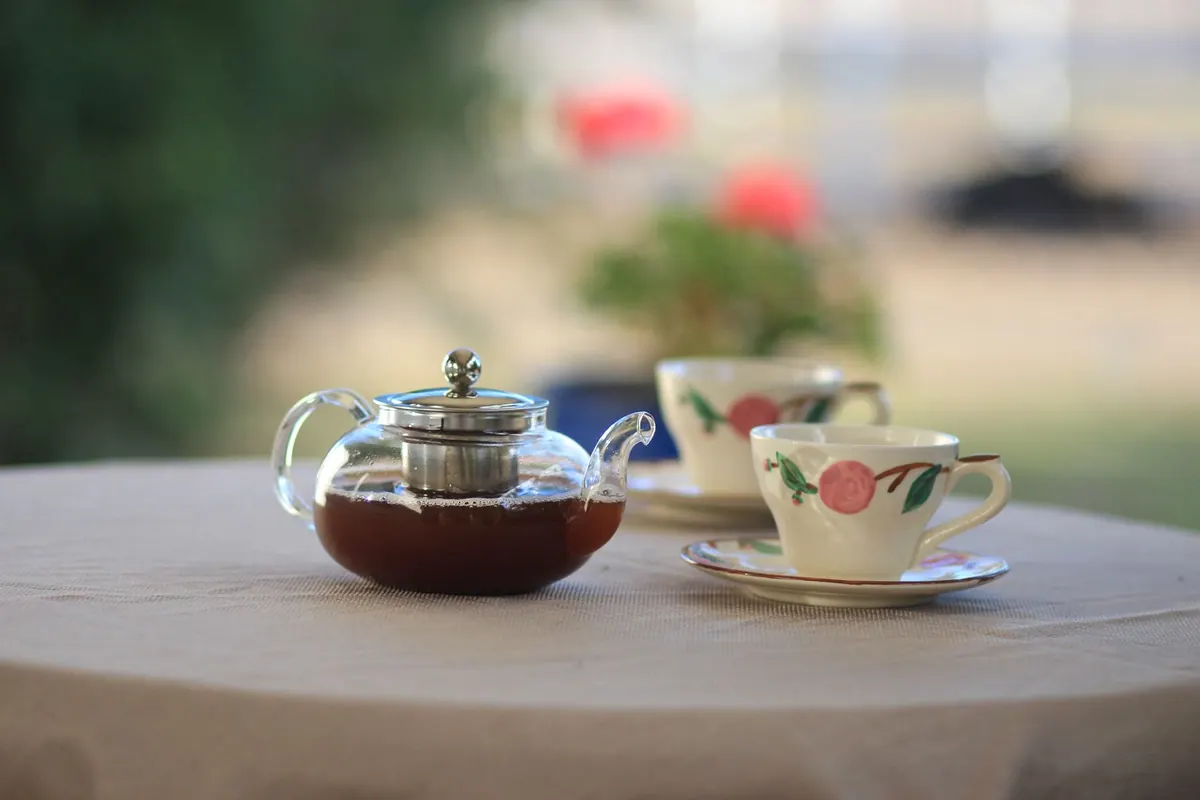
Glass is non-porous and completely neutral, and it shows you the liquor color and the leaves unfurling. Its weak heat retention, often listed as a flaw, is a benefit for the teas that suffer from long, hot steeping.
Reach for glass with green tea, white tea, light oolong, flowering teas, and most herbal infusions. Hibiscus, chamomile, and mint blends look better in glass and taste no worse for it. Pre-warm the pot with a little hot water before brewing, and expect a shorter useful session than you would get from clay or cast iron.
One caution: do not pour boiling water into cold glass. Let the pot warm gradually to avoid thermal shock.
Cast Iron: Heat, Weight, and Heavier Teas
Cast iron retains heat longer than anything else on this list. Most modern brewing pots have an enameled interior, which is non-reactive and easy to live with. That combination makes cast iron a natural fit for black tea, chai and other spiced blends, and herbal tisanes you want to stay hot through a long conversation.
It is heavy, and the pour can be harder to control than a light porcelain spout, so it is not the best choice for fast, precise brewing. If your pot has a bare, unenameled interior, dry it thoroughly after every use; trapped moisture leads to rust, and rust will affect the taste of your tea. Wash by hand, skip the dishwasher, and never leave tea sitting in it overnight.
Cast iron is a poor match for delicate green and white teas. It keeps water too warm for too long and can flatten the fresh, vegetal notes you are paying for.
A Quick Pairing Reference
- Green tea: glass or thin porcelain
- White tea: glass or porcelain; aged white in clay
- Light, floral oolong: porcelain or glass
- Roasted oolong: unglazed clay
- Puer and other aged teas: unglazed clay with thicker walls
- Black tea: porcelain, glazed clay, or cast iron
- Chai and spiced blends: cast iron
- Herbal tisanes: glass, porcelain, or cast iron
Care Habits That Keep a Pot Working Well
Most teapot problems come from cleaning, not brewing. A few habits cover almost everything:
- Rinse unglazed clay with hot water only, then let it air dry with the lid off. Soap seeps into the pores and will flavor later brews.
- Do not store tea leaves in the pot between sessions. A dry pot stays neutral.
- Keep one clay pot to one tea family. Mixing defeats the purpose of seasoning.
- Wash enameled cast iron and porcelain by hand with a soft sponge. Skip abrasive pads and the dishwasher.
- Warm any pot with a splash of hot water before you add leaves, especially glass and thin porcelain.
If you make herbal tisanes a daily habit, it is worth checking with a healthcare professional about any herb you plan to drink regularly, particularly if you are pregnant, nursing, or taking medication.
Start With What You Actually Drink
Ignore the shelf of beautiful pots for a moment and think about your last ten cups. If most were green or white, buy glass or thin porcelain and enjoy the clarity. If you live on roasted oolong or puer, one small unglazed clay pot will do more for your tea than any accessory. If your evenings are black tea and spice blends, cast iron will keep the second cup as hot as the first.
Two pots cover nearly every drinker: one neutral vessel for the light, bright teas and one material that adds character for the heavy ones. Buy for the tea you brew now, not the tea you imagine brewing someday, and you will end up using both every week.
Photo: Zana Lookman / Pexels
Related Articles