Teapots
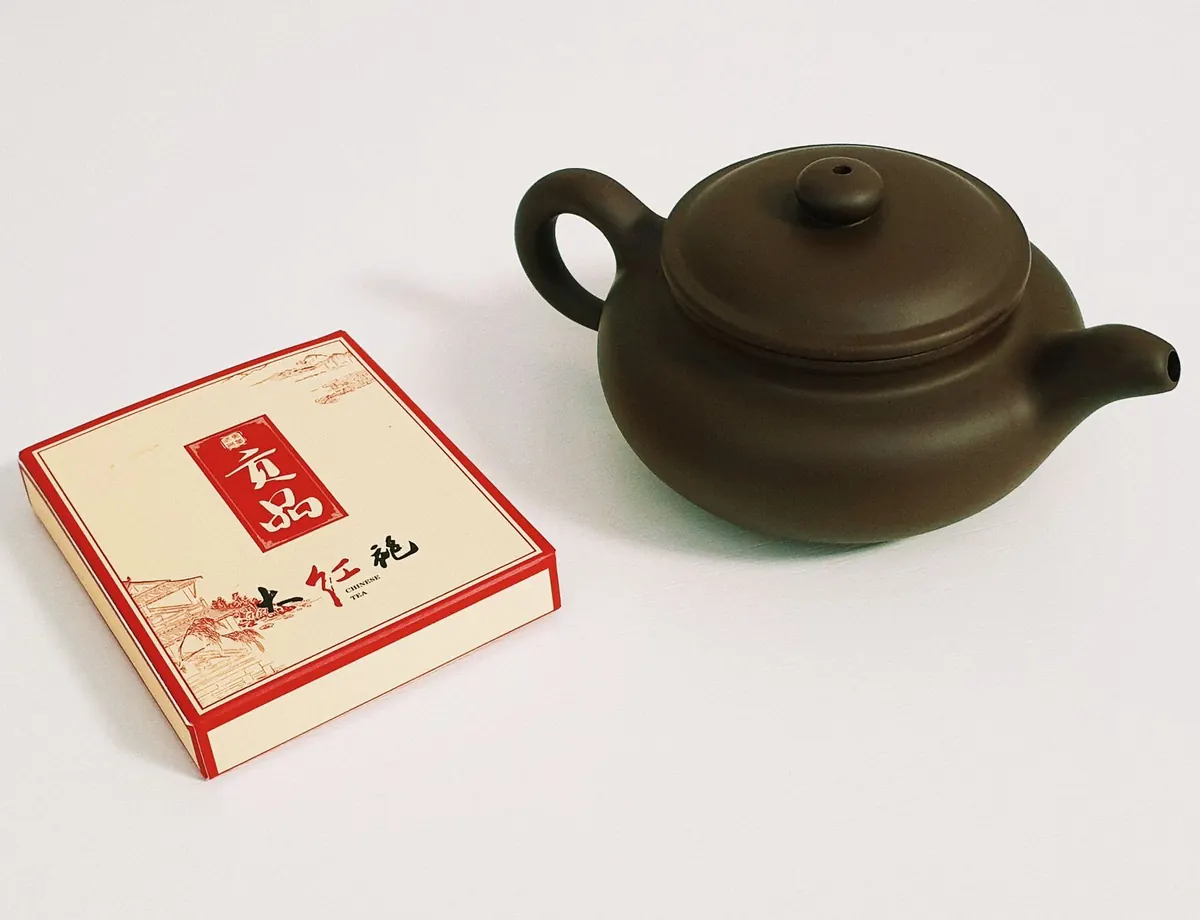
How to Season a New Clay Teapot: A Step-by-Step Guide for Beginners
A new unglazed clay teapot arrives looking finished — tight lid, clean lines, ready for water. It isn't. The clay is dry, porous, and often still dusty from the kiln, and the first few pots of tea you brew in it will taste more like the pot than the tea. Seasoning closes that gap. It takes an afternoon, costs nothing but hot water, and quietly changes how the pot performs for years.
Why Unglazed Clay Needs Seasoning
Unglazed clay — Yixing zisha, Jianshui, Tokoname, Chaozhou red clay, and the many unglazed stonewares in between — has an open, microscopic structure. Fired but never glazed, the walls stay porous. That porosity is the whole point: it holds heat, breathes a little, and gradually absorbs the oils and aromatics that tea releases.
But that same openness works against you at the beginning. There is kiln dust in the crevices, fine clay powder in the spout, and a faint mineral smell that hot water pulls straight into your first brew. Seasoning does three things at once: it cleans out the dust, it saturates the clay so it stops drinking water so aggressively, and it starts building the thin layer of tea residue that gives a well-used pot its character.
A common misconception is that seasoning "seals" the clay. It doesn't. The pot stays porous; it just stops tasting of itself and starts tasting of your tea.
Before You Start: What You'll Need
- A pot large enough to hold the teapot fully submerged with room to spare
- Plenty of fresh, soft water — filtered if your tap water is hard or heavily chlorinated
- A soft cloth or sponge, and a soft-bristled brush for the spout and lid rim
- A clean towel for drying
- Optionally, a handful of the tea you intend to dedicate the pot to
What you don't need: soap, detergent, vinegar, baking soda, or anything abrasive. Unglazed clay absorbs whatever it touches, and a soapy pot is a ruined pot.
The Boiling and Rinsing Method, Step by Step
- Rinse first, cold. Run the teapot under lukewarm water and gently scrub inside and out with your fingers or a soft brush. Pay attention to the spout, the inside of the lid, and the rim where the lid sits — that's where dust collects.
- Submerge in cold water. Set the teapot in the saucepan and fill with cold water until it's completely covered by an inch or two. Never drop a cold clay pot into already-boiling water. Thermal shock cracks clay, and it happens fast.
- Heat water and pot together. Bring the pan up to a gentle simmer over medium heat. You want small bubbles, not a rolling boil. Clay is tough, but it doesn't enjoy being knocked around.
- Simmer for 15 to 20 minutes. Keep an eye on the water level and top it up with hot water if needed. Letting the pan boil dry is the one reliable way to destroy a pot.
- Cool in the water. Turn off the heat and let everything come down to room temperature in the pan. Lifting a hot clay pot into cool air is another way to crack it.
- Repeat if the pot still smells. Some pots — especially mass-produced ones or those shipped in straw and paper — need a second or third simmer with fresh water. Trust your nose: clean clay smells faintly of wet stone and nothing else.
The optional tea bath
If you already know which tea the pot will live with, add a generous handful of those dry leaves to the water for the final ten minutes of the last simmer. This is called a tea bath, and it gives the seasoning a head start. Only do this with the tea you've committed to, though — dark oolong or ripe pu'er will stain a pale pot permanently.
Drying the Pot Correctly
Once the pot has cooled, rinse it with hot water, wipe the outside with a soft cloth, and set it upside down on a towel with the lid off or propped against the body. Let it air dry somewhere out of direct sun and away from radiators or stovetops for a day or two.
Skip the shortcuts. An oven, a microwave, a dishwasher, or a hairdryer will dry the clay unevenly and can crack it. Never stack a damp pot with other ceramics. And don't store it until the inside is bone dry — a sealed damp pot grows mildew, and musty clay is a stubborn problem to reverse. If it happens, don't despair; another boil usually fixes it.
Your First Brews in a Seasoned Pot
The seasoning isn't finished when the pot is dry. It's finished weeks later, after a dozen or so sessions. A few habits make that happen faster and better:
- Pick one tea family and stay with it. A pot seasoned with roasted oolong and then used for green tea will taste muddled. This is why tea drinkers keep several pots.
- Brew a little stronger than usual for the first few sessions. More aroma in the pot means faster seasoning.
- Pour hot water over the outside before or during brewing. The clay drinks it in, and the pot warms evenly.
- Wipe with a clean, soft cloth, not your fingers. Skin oils leave streaks that bake into the surface over time.
- Empty and rinse with hot water only after every session, then leave the lid off to dry.
Within a week of daily use, you'll notice plain hot water poured into the pot picks up a faint scent of the tea. That's the seasoning working.
Common Mistakes to Avoid
- Washing with dish soap or putting the pot in a dishwasher
- Boiling hard instead of simmering, or letting the pan run dry
- Moving a hot pot into cold water, or the reverse
- Seasoning with a tea you don't actually like — the pot will remember
- Storing the pot closed and damp, which invites mildew and stale smells
- Scrubbing with metal pads or scouring powder, which scratches the surface permanently
A Practical Closing Note
The best seasoning isn't a procedure — it's frequency. Brew with the pot often, keep it clean, and let time do the rest.
Seasoning is not a one-time event. It's a slow habit built from dozens of ordinary pots of tea.
If your pot ever tastes flat, dusty, or off, you don't need to replace it. Boil it again with fresh water, dry it thoroughly, and start over. Clay is forgiving that way. Give it an afternoon of attention now, and it will give you years of better tea.
Related Articles