Kettles
Electric vs. Stovetop Kettles: A Beginner's Guide to Speed, Control, and Cost
A kettle is one of the few kitchen purchases you use every single day, which is why the electric-versus-stovetop question keeps coming up. The answer isn't about which one is better — it's about which one fits the way you actually make tea, coffee, or instant noodles at seven in the morning. Here's what really changes when you switch from one design to the other.
How Each One Actually Heats Water
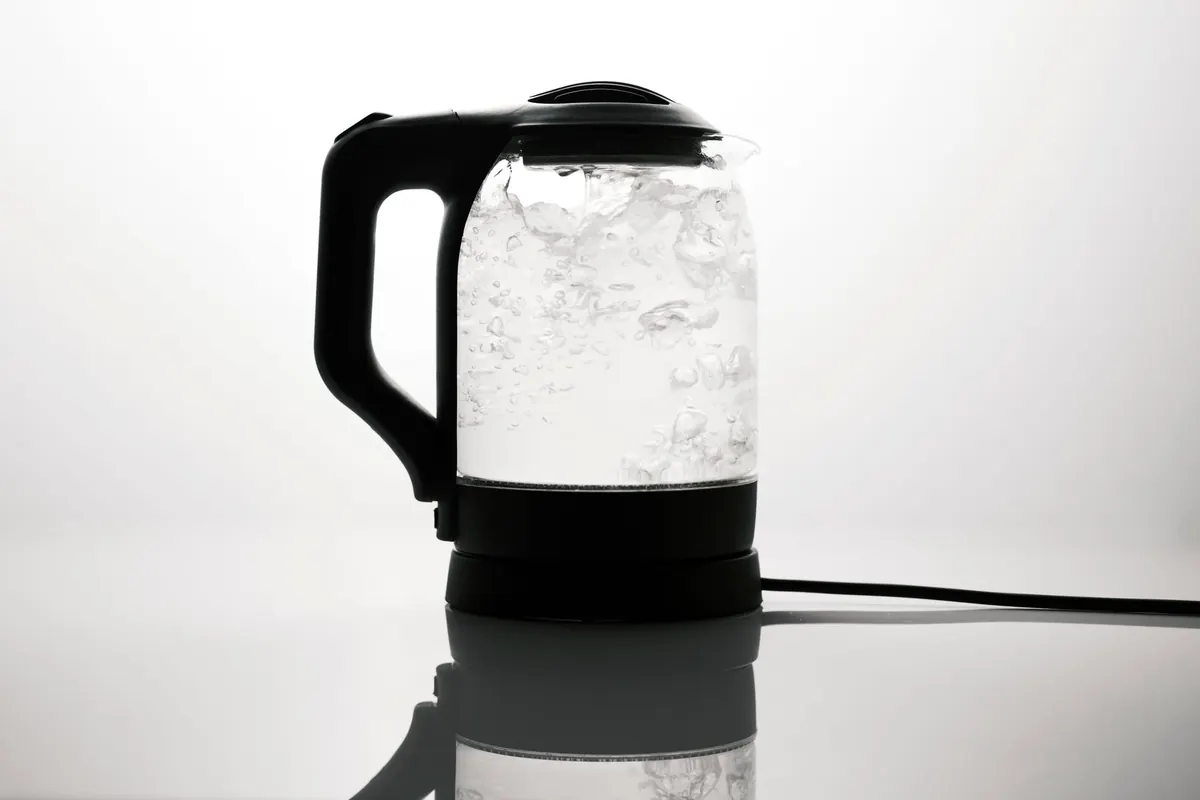
An electric kettle puts a heating element in direct contact with the water. The element gets hot, the water around it gets hot, and convection does the rest. Because the heat source sits inside the vessel, very little escapes into the room, and a thermostat shuts the kettle off the moment the water boils.
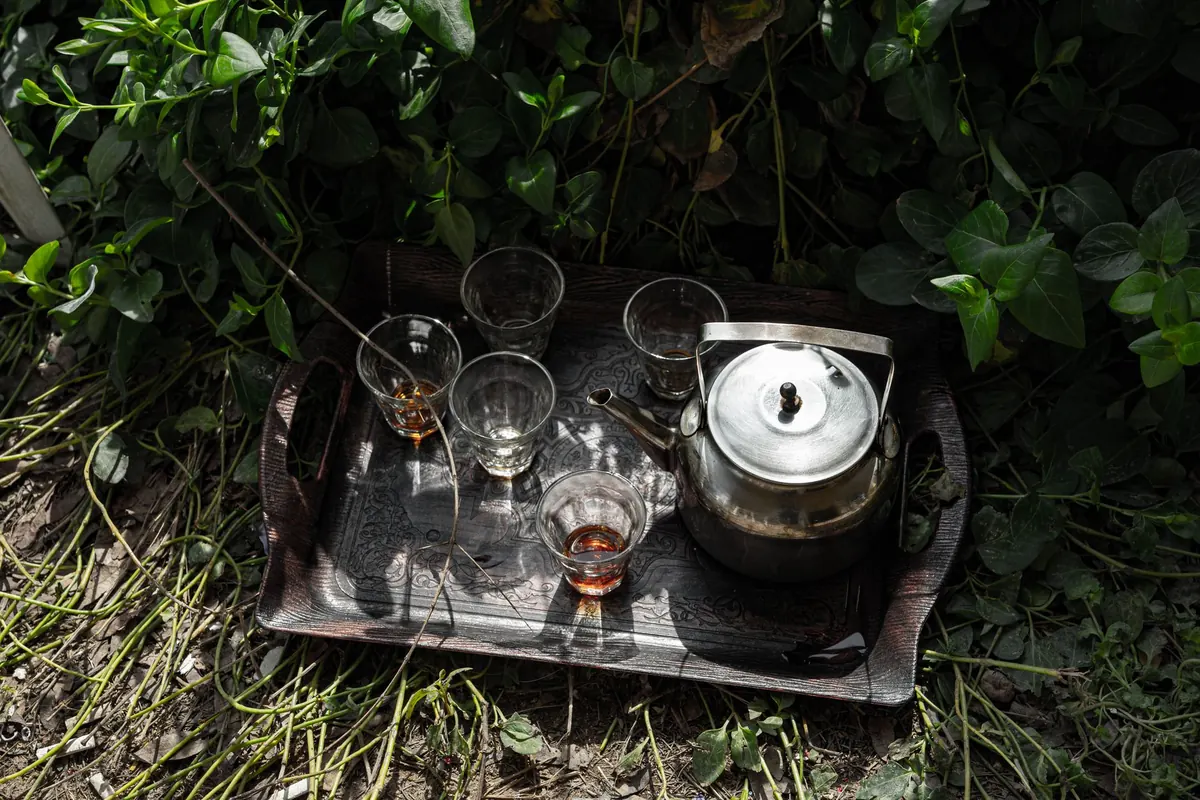
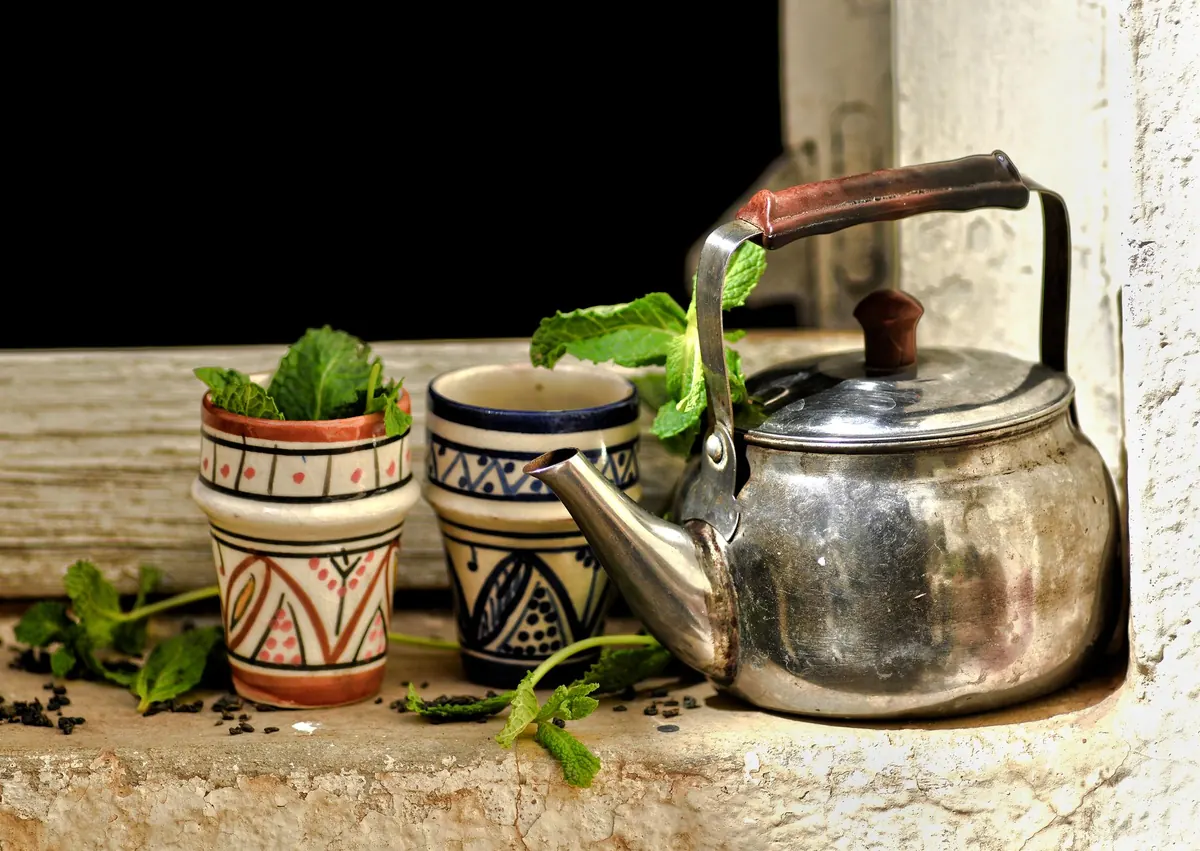
A stovetop kettle works the other way around. Your hob heats the metal, and the metal heats the water. That extra step is where the differences in speed, control, and cost all come from. There's no thermostat, so a whistle is your only signal — and if you walk away, it keeps boiling.
Speed: What Actually Decides How Long You Wait
Wattage gets all the attention, but volume matters more. Filling a kettle only to the minimum line for one mug can cut your wait roughly in half compared with filling it to the top. If you take one thing from this section, make it that.
Beyond volume, a few real-world factors decide the race:
- Mains voltage. In the UK, Ireland, and most of Europe, a kettle on a 240-volt circuit draws around 3,000 watts and boils a litre startlingly fast. In North America, a standard 120-volt outlet caps most kettles near 1,500 watts, so the same litre takes noticeably longer.
- Your hob. Induction is the fastest stovetop option. Gas is quick but throws heat around the pot. Traditional electric coil and glass-ceramic rings are the slowest of the lot.
- Pot shape and lid. A wide kettle with a thin base beats a narrow, heavy one. Keep the lid down — steam escaping is heat you paid for.
- Starting temperature. Cold tap water in winter takes longer than the same volume in summer. Nothing you can do about it, but it explains a slow morning.
For one or two cups, a modern electric kettle is hard to beat almost anywhere. For a full pot — water for pasta, or a large teapot — the stovetop usually wins simply because you're heating more than a kettle holds.
Temperature Control Is the Real Divide
Boiling is boiling. Below boiling is where the two designs separate.
Green and white teas generally do best around 70–80°C (160–175°F), oolong somewhere near 85–90°C, black tea close to boiling, and pour-over coffee usually in the low 90s. A stovetop kettle gives you no way to hit those numbers except by watching, guessing, and checking with a thermometer. That works, but it demands your attention.
A variable-temperature electric kettle lets you dial a number and walk away. Some hold that temperature for half an hour or more, which is genuinely useful if you're brewing several rounds from the same leaves.
Choose based on what's in your cup
If you drink strong black tea with milk, or you mainly want hot water for instant coffee, either kettle is fine and you can buy on looks and price. If you drink green tea, white tea, or filter coffee, a temperature setting earns its keep quickly. The same goes for blooming yeast or warming a bottle, where low, steady temperatures matter more than a rolling boil.
Energy Use and Running Costs
Heating water takes a fixed amount of energy; no appliance changes that. What changes is how much of that energy ends up in the water you pour, and how much drifts into the kitchen instead.
An electric kettle is efficient by design. The element sits in the water, the body is often double-walled, and the kettle switches itself off. You also tend to boil only what you need, because small volumes are quick.
A stovetop kettle loses heat around the sides of the pot, and on gas a fair share of the flame licks past the base. Induction narrows that gap considerably. The bigger hidden cost on a stovetop is human: a forgotten kettle boiling for ten minutes wastes far more than any difference in efficiency.
Which one costs less on your bill depends on local electricity and gas rates, and those vary widely by region and tariff. If the difference matters to you, compare your own rates per kilowatt-hour and per unit of gas rather than trusting a general rule.
Stovetop Compatibility: Check Before You Buy
This is where new buyers get caught out. Not every stovetop kettle works on every hob.
- Gas. The most forgiving. Almost any kettle works, though a flat base sits more steadily than a rounded one.
- Electric coil. Needs a flat base. A warped bottom wobbles and wastes heat.
- Glass-ceramic radiant. Flat base again, and lift rather than slide the kettle so you don't scratch the surface.
- Induction. The base must be magnetic. Test any kettle with a fridge magnet before buying — if it doesn't stick, the hob won't heat it. Look for "induction compatible" on the box.
And the obvious one, worth saying anyway: never put an electric kettle on a hob, and never fill a stovetop kettle past its maximum line. A stovetop kettle that boils dry can warp its base or crack its enamel.
Stovetop kettles do have one practical edge: they work on a camping stove and during a power cut, assuming your gas hob can be lit safely without electricity. Check your hob's manual before you rely on that.
A Simple Way to Decide
Answer three questions and you'll know.
- What do you drink most? Plain boiling water — either design. Tea or coffee at specific temperatures — buy variable-temperature electric.
- What's your hob? Induction or gas, and you like the ritual of the stovetop? Go stovetop. Slow coil rings, or a kitchen where you're always in a hurry? Go electric.
- How much water at once? Mugs and small teapots — electric. Big pots and batches — stovetop.
Plenty of households keep both, and it isn't indecision. A 1.5-litre electric kettle with temperature settings handles the daily cups; a stovetop kettle covers power cuts and large volumes. Whichever you start with, fill only what you need, keep the lid on, and descale every month or two with a vinegar-and-water boil or a citric acid solution. That habit will do more for your kettle's speed and your tea's taste than any spec on the box.
Photo: Engin Akyurt / Pexels
Related Articles